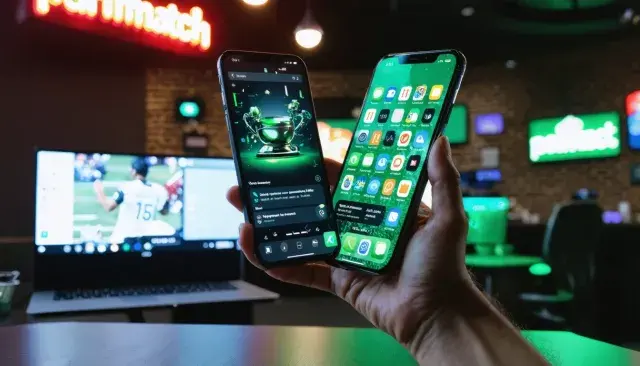

Parimatch will roll out significant updates to its website and mobile application in 2026, prioritizing interface simplicity, game accessibility, and performance on resource-constrained devices. These enhancements target Indian users, where mobile dominance and variable internet conditions shape daily engagement. The changes promise quicker navigation and reduced data demands, addressing common pain points in emerging markets.
Streamlined Interface for Broader Accessibility
The redesigned interface emphasizes minimalism, reducing visual clutter on the home screen while keeping essential sections prominent. Page loads accelerate on low-bandwidth connections, and larger text with improved contrast ensures readability across day and night modes. Icons clearly denote game categories, and menus require fewer interactions to reach content, benefiting newcomers and regulars alike.
For Indian audiences reliant on mid-range smartphones, the layout adapts dynamically, maintaining stability in Tier 2 and Tier 3 cities where connectivity fluctuates. Enhanced search functionality delivers precise results for game names or providers, with refined filters that minimize errors. This evolution reflects broader trends in mobile-first design, where intuitive tools lower barriers to sustained use.
Expanded Games Catalog with Mobile Optimization
New titles from additional studios join the lineup, emphasizing live dealer experiences and short-session formats popular among Indian players. Updated classics feature faster loading and data-efficient visuals, preserving quality on smaller screens. Local-themed options incorporate familiar motifs while adhering to straightforward rules.
- New live dealer tables with global standards.
- Expanded quick-play options for brief sessions.
- India-inspired designs in select games.
These additions cater to habits like play during work breaks, fostering engagement without demanding extended time or resources.
Mobile App and Live Features Refined for Everyday Use
The app shrinks in size for swift updates and performs reliably on older Android versions with limited RAM. One-handed controls and optimal screen fitting suit compact devices from brands like Redmi and Realme. Navigation condenses to two or three taps, eliminating obstructive pop-ups during sessions.
Live games gain higher mobile resolution, adaptive streaming for spotty data, and quicker dealer pacing with prominent on-screen stats. Sound remains consistent, and chat options allow easy muting for focus. Performance upgrades handle peak evening traffic without freezes, while clear error messaging guides users through rare issues.
Overall, these modifications align with India's mobile-centric digital landscape, where efficient, stable platforms enable seamless integration into routines and promise greater retention amid rising online activity.